
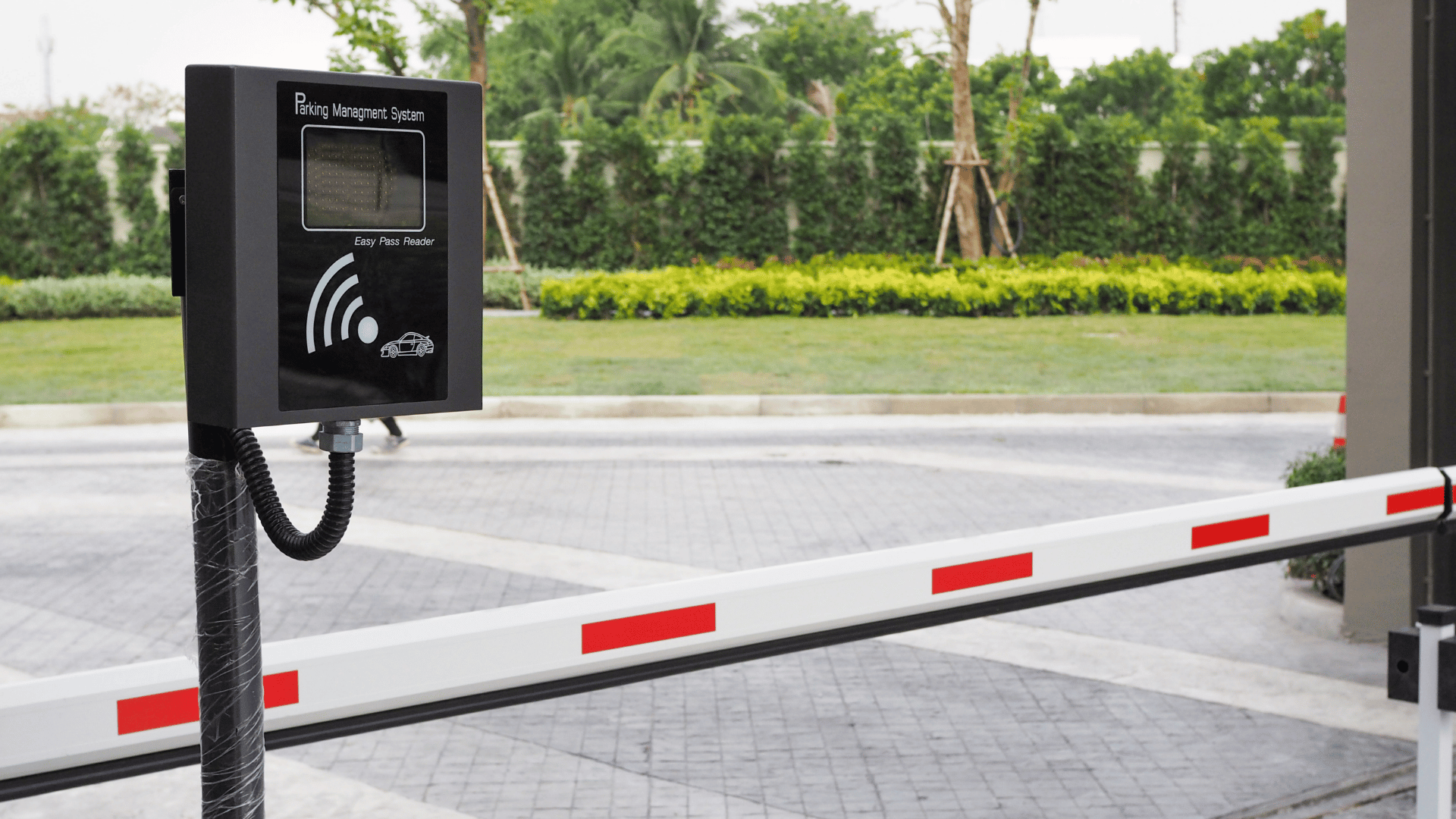
How Vehicles Enter a Parking Barrier 🚗🚧
How Vehicles Enter a Parking Barrier 🚗🚧
Parking barrier gate systems play an important role in controlling vehicle access, improving safety, and maintaining smooth traffic flow. Depending on the site environment and security requirements, different access methods can be used to allow vehicles to enter.
Below are the most common parking barrier entry methods and how each one works.
1. Vehicle Detector (Induction Loop) 🔁
A vehicle detector uses a loop sensor installed beneath the driveway surface to detect the presence of a vehicle.
How it works
A loop cable is embedded under the road.
When a vehicle stops above it, the system detects the metal mass.
The barrier opens automatically.
Commonly used for
Exit lanes
High-traffic areas
Hands-free operation
2. RFID (Tag or Sticker) 🏷️
RFID systems allow authorised vehicles to enter automatically using a tag or sticker.
How it works
An RFID tag is installed on the vehicle.
The reader detects the tag when the vehicle approaches.
The barrier opens for authorised users.
Commonly used for
Residential areas
Staff or season parking
Gated communities
RFID systems allow authorised vehicles to enter automatically using a tag or sticker.
3. Card Access & Long-Range Reader 💳📡
This method uses access cards or long-range readers to verify vehicle entry.
How it works
Driver taps a card or is detected by a long-range reader.
Access is verified by the system.
Barrier opens upon approval.
Commonly used for
Condominiums
Offices
Commercial and industrial sites
4. Push Button 🔘
A push button is a simple and cost-effective way to operate a parking barrier.
How it works
Driver presses a button installed near the barrier.
The barrier opens immediately.
Commonly used for
Visitor lanes
Guarded premises
Low-traffic areas
Choosing the Right Access Method ✅
In many installations, multiple access methods are combined to suit different users. For example, RFID for residents and push buttons for visitors.
Key factors to consider include traffic volume, security level, user type, and site layout.